

Swamp Safety Awareness: How to Safely Explore Louisiana Waters This Season
Understanding the landscape and respecting its conditions makes exploration safer and more enjoyable”
MARRERO, LA, UNITED STATES, December 26, 2025 /EINPresswire.com/ -- Louisiana’s wetlands and swamp environments remain a defining feature of the region’s natural landscape, drawing interest from visitors and locals alike. These waterways support diverse ecosystems, cultural history, and recreational activity. As seasonal exploration increases, attention to safety practices becomes essential for reducing risk and preserving both personal well-being and environmental balance.— Milton Walker Jr.
Swamp environments differ significantly from open waterways or controlled recreational areas. Variable water depths, submerged obstacles, fluctuating water levels, and dense vegetation require heightened situational awareness. Navigation through bayous, marshes, and backwater channels demands respect for conditions that may change rapidly due to weather, tides, or upstream activity.
One primary consideration involves understanding the terrain. Swamp waters often conceal submerged logs, root systems, and uneven bottoms. These hazards may not be visible from the surface but can affect vessel stability and movement. Maintaining controlled speeds and clear sightlines helps reduce the likelihood of sudden impacts.
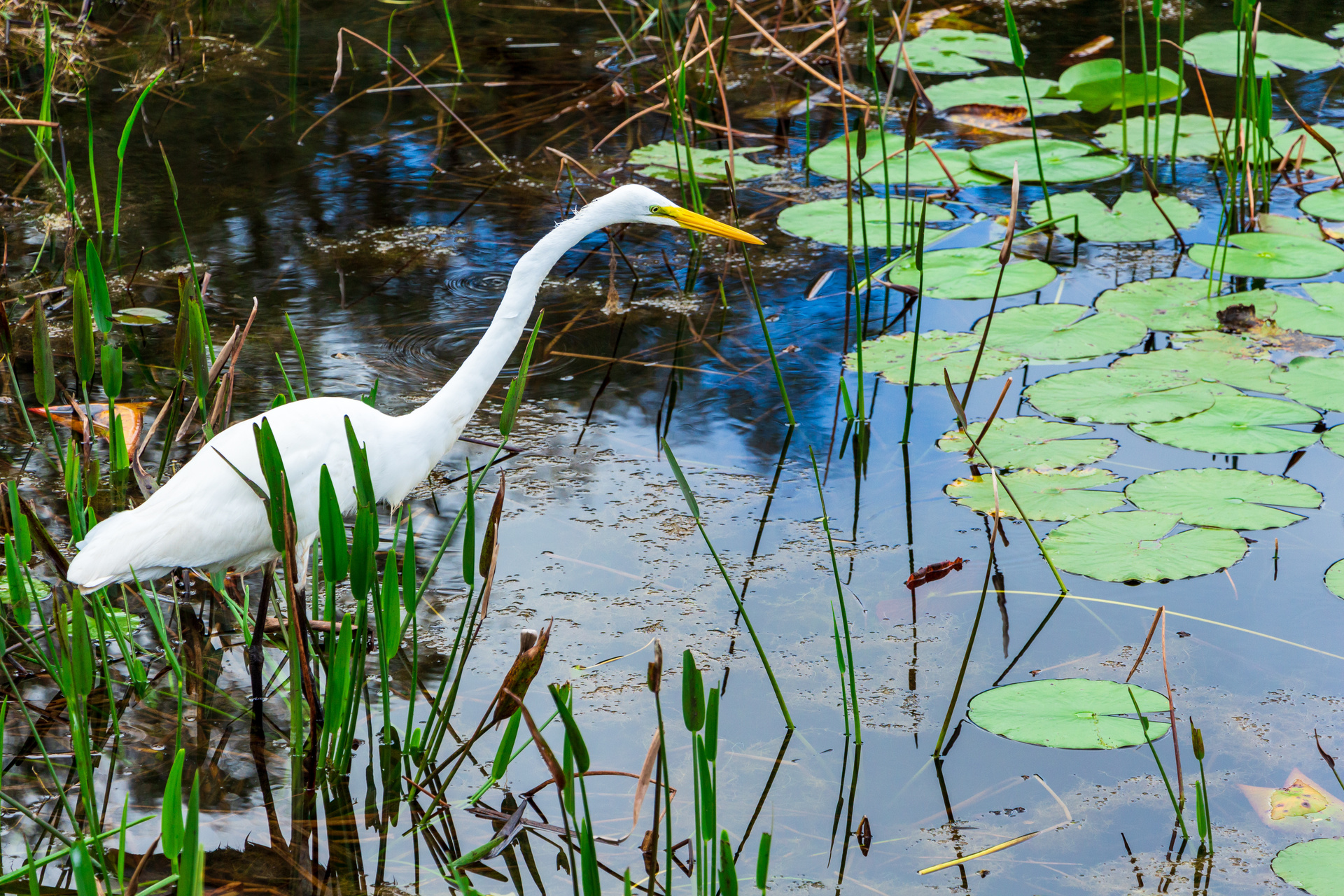
Wildlife awareness is another key aspect of safe exploration. Louisiana wetlands are home to a wide range of species, including alligators, snakes, birds, and aquatic life. Observing wildlife from appropriate distances supports safety while minimizing stress on animals. Sudden movements, feeding wildlife, or entering restricted nesting areas increase risk and disrupt natural behavior patterns.
Weather conditions play a significant role in swamp safety. Thunderstorms can develop quickly, bringing reduced visibility, strong winds, and rapid water movement. Monitoring forecasts and understanding local weather patterns helps avoid exposure to hazardous conditions. Heat and humidity also contribute to physical strain, particularly during extended excursions.
According to Milton Walker Jr., owner of Louisiana Tour Company in Marrero, Louisiana, preparation remains central to safe exploration.
“Swamp environments reward preparation and awareness,” said Walker. “Understanding the landscape and respecting its conditions makes exploration safer and more enjoyable.”
Proper equipment further supports safety outcomes. Life vests appropriate for the activity and passenger size, communication devices, and basic emergency supplies contribute to preparedness. Mechanical reliability of boats and airboats is also essential, as assistance may not be immediately available in remote areas.
Navigation planning reduces uncertainty. Familiarity with established routes, landmarks, and access points helps prevent disorientation. Many swamp areas lack clear markers, making reliance on local knowledge and route planning important. Entering unfamiliar waterways without preparation increases the likelihood of becoming stranded or lost.
Environmental responsibility intersects closely with safety. Disturbing vegetation, creating excessive wake, or entering protected areas can damage ecosystems and increase hazard exposure. Staying within designated channels and following posted guidelines supports both environmental preservation and navigational safety.
Personal preparedness extends beyond equipment. Hydration, sun protection, and appropriate clothing reduce heat-related stress and exposure risks. Insect activity is common in swamp environments, making protective measures important for comfort and health.
Communication planning is another consideration. Informing others of travel plans, estimated return times, and routes provides an added layer of security. In areas with limited cellular coverage, alternative communication methods may be necessary.
Seasonal factors influence swamp conditions as well. Water levels rise and fall based on rainfall and tidal patterns. Certain areas may become inaccessible or more hazardous at different times of year. Awareness of seasonal changes supports safer route selection and timing.
Emergency response capabilities in swamp environments differ from urban settings. Access limitations and response times require self-sufficiency and calm decision-making. Knowing how to respond to mechanical issues, weather changes, or medical concerns improves outcomes when unexpected situations arise.
As interest in outdoor exploration continues, safety awareness remains an essential component of responsible swamp activity. Preparation, respect for the environment, and adherence to established guidelines reduce risk while preserving the integrity of Louisiana’s wetlands.
Louisiana Tour Company operates in New Orleans, Louisiana, providing guided experiences that emphasize environmental awareness and safety considerations within swamp and wetland environments. The company’s perspective reflects ongoing attention to best practices for navigating Louisiana waters responsibly throughout the season.
Morgan Thomas
Rhino Digital, LLC
+1 504-875-5036
email us here
Visit us on social media:
Facebook
Legal Disclaimer:
EIN Presswire provides this news content "as is" without warranty of any kind. We do not accept any responsibility or liability for the accuracy, content, images, videos, licenses, completeness, legality, or reliability of the information contained in this article. If you have any complaints or copyright issues related to this article, kindly contact the author above.
