
Current and Wave Monitoring Provides Critical Data for Coastal Engineering and Infrastructure Planning
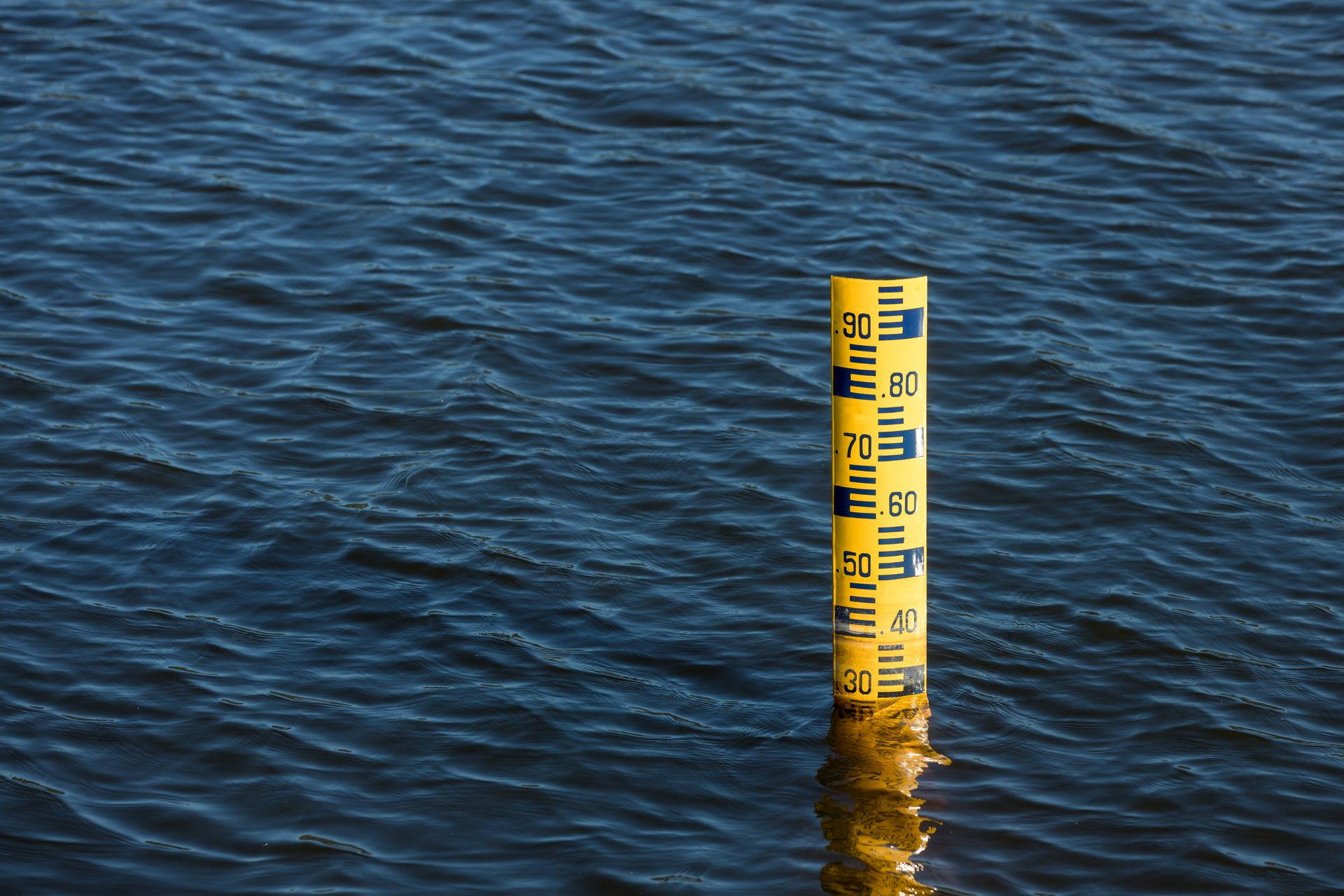

Current and wave measurements provide essential data for evaluating how water movement affects coastal infrastructure and environmental systems”
BATON ROUGE, LA, UNITED STATES, March 13, 2026 /EINPresswire.com/ -- Coastal engineering projects rely on detailed environmental data to understand how water movement influences shoreline stability, sediment transport, and structural performance. Monitoring ocean currents and wave activity provides engineers and environmental scientists with information necessary to design and maintain coastal infrastructure in dynamic marine environments.— Joel Chaky
Coastal areas experience constant movement driven by tides, wind patterns, and seasonal weather conditions. These forces influence how water flows through bays, estuaries, and offshore regions, shaping the behavior of shorelines and coastal habitats. Understanding these patterns allows engineers to evaluate how structures such as seawalls, breakwaters, docks, and restoration systems may interact with surrounding waters.
Wave activity represents one of the primary forces affecting coastal environments. Wind-driven waves transfer energy across the surface of the water and can influence erosion patterns along shorelines. The size, frequency, and direction of waves determine how much energy reaches coastal structures and sediment layers.
Engineers use wave monitoring systems to record characteristics such as wave height, wave period, and directional movement. These measurements help determine the amount of force exerted on coastal infrastructure during both typical weather conditions and storm events.
Wave data also contributes to the design of protective structures intended to reduce shoreline erosion. Breakwaters, artificial reefs, and shoreline stabilization systems must be designed to withstand the wave conditions commonly experienced in a particular location. Accurate wave measurements allow engineers to estimate long-term structural stress and determine appropriate construction materials and design dimensions.
Current monitoring provides another critical layer of information. Water currents influence the transport of sediment across coastal environments. Sand, silt, and other materials move through waterways as currents shift with tides and weather patterns.
Understanding sediment transport patterns is important for maintaining navigation channels, protecting shorelines, and supporting habitat restoration projects. Engineers use current monitoring data to evaluate how sediments move across the seafloor and how construction projects may alter these patterns.
In many coastal regions, monitoring equipment is deployed directly in the water to collect real-time data. Instruments such as acoustic Doppler current profilers measure water velocity at different depths, providing insight into how currents behave throughout the water column. Wave buoys positioned offshore record surface wave conditions and transmit data for analysis.
These monitoring systems collect continuous measurements that allow researchers to track environmental conditions over extended periods. Long-term datasets help identify seasonal trends, storm impacts, and gradual changes in coastal environments.
Data gathered from wave and current monitoring also contributes to coastal restoration initiatives. Wetland restoration projects, barrier island reinforcement, and shoreline stabilization efforts often depend on accurate environmental data to guide design decisions.
Louisiana’s coastal regions provide a clear example of the importance of monitoring programs. The state’s coastline contains extensive marshlands, barrier islands, and estuarine systems that are influenced by river flows, tides, and Gulf of Mexico wave activity. Coastal engineering projects in this environment must account for constantly shifting water conditions.
Monitoring programs help scientists and engineers evaluate how water movement influences erosion and land loss in these regions. Observing wave and current behavior allows project planners to design restoration systems that align with natural environmental processes.
Joel Chaky, Vice President of ENCOS Environmental & Coastal Services headquartered in Baton Rouge, Louisiana, notes that current and wave monitoring plays a central role in understanding coastal conditions.
“Current and wave measurements provide essential data for evaluating how water movement affects coastal infrastructure and environmental systems,” said Joel Chaky, Vice President of ENCOS Environmental & Coastal Services in Baton Rouge, Louisiana. “Long-term monitoring allows engineers to study patterns that influence sediment transport, shoreline stability, and structural design.”
Storm events represent another reason for monitoring coastal conditions. Hurricanes and severe storms generate powerful wave action and strong currents that can reshape shorelines and place significant stress on coastal infrastructure. Monitoring systems help researchers analyze how these events affect water movement and coastal landscapes.
The information collected during storms contributes to improved engineering models used to predict future conditions. By comparing measured wave and current data with computer simulations, scientists can refine predictive tools used in coastal planning.
Navigation safety also benefits from current monitoring programs. Ports, shipping channels, and offshore facilities depend on accurate knowledge of water movement to ensure safe vessel operations. Understanding how currents behave near navigation routes helps planners manage dredging schedules and maintain channel depth.
Advances in monitoring technology continue to improve the accuracy and availability of environmental data. Modern sensors, satellite communication systems, and automated monitoring platforms allow scientists to collect detailed information from remote coastal locations.
These systems often operate continuously, transmitting data that can be analyzed by engineers, researchers, and environmental managers. The ability to observe coastal conditions in real time supports both immediate decision-making and long-term planning.
Coastal engineering projects require careful consideration of environmental forces that shape marine landscapes. Wave energy, current patterns, and sediment movement all influence how shorelines evolve over time.
Through ongoing monitoring efforts, engineers gain the data needed to design infrastructure and restoration projects that respond to these natural forces. The information collected through wave and current monitoring remains a foundational element in protecting coastal environments and supporting responsible development in marine regions.
Morgan Thomas
Rhino Digital, LLC
+1 504-875-5036
email us here
Visit us on social media:
Facebook
Legal Disclaimer:
EIN Presswire provides this news content "as is" without warranty of any kind. We do not accept any responsibility or liability for the accuracy, content, images, videos, licenses, completeness, legality, or reliability of the information contained in this article. If you have any complaints or copyright issues related to this article, kindly contact the author above.
